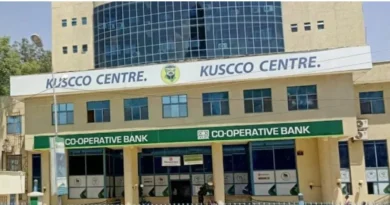
KUSCCO Scandal: 150 SACCOs Vanish With Billions
Kenya’s once-thriving SACCO (Savings and Credit Cooperative) sector has been thrown into turmoil following revelations that nearly 150 SACCOs have collapsed or disappeared after losing billions of shillings invested with the Kenya Union of Savings and Credit Cooperatives (KUSCCO).
A forensic audit by PricewaterhouseCoopers (PwC) has exposed a financial black hole at KUSCCO, showing a KSh 13.3 billion loss, with a KSh 12.5 billion deficit, despite KUSCCO having collected more than KSh 24.8 billion from its member SACCOs. These losses have devastated SACCOs across the country and shaken the confidence of millions of Kenyan savers.
KUSCCO, long regarded as the umbrella body for SACCOs in Kenya, served as a central investment and credit union. Many SACCOs had deposited large sums of member contributions into KUSCCO’s financial services arm, trusting it to manage the funds safely.
However, a shocking series of revelations in 2024 and 2025 exposed gross financial mismanagement, illegal withdrawals, and insider dealings by KUSCCO officials. Key findings include:
-
Massive unauthorized withdrawals totaling over KSh 6 billion
-
Missing audit trails and falsified financial reports
-
Political interference and unchecked executive control
Some SACCOs reported that KUSCCO had gone completely silent, failing to honor withdrawal requests for months before finally acknowledging its liquidity crisis.
Several SACCOs were forced to write off or provision huge losses due to the collapse. Among the most severely affected:
-
Afya SACCO: Wrote off KSh 361.6 million, fully affecting its 2024 balance sheet.
-
Kimisitu SACCO: Lost KSh 353.95 million, impacting dividends and lending capacity.
-
Stima SACCO: Wrote off KSh 108 million.
-
LSK SACCO: Still owed KSh 19.2 million after a partial repayment.
-
Dozens of smaller SACCOs, many serving teachers, farmers, and low-income earners, have been rendered insolvent or completely vanished from operation.
Altogether, more than 150 SACCOs are no longer operational due to exposure to KUSCCO’s failed investments.
Government Response: Intervention and Reforms
Following public outcry and sector instability, the Kenyan government stepped in with emergency measures, including:
🏛️ Takeover of KUSCCO’s Lending Arm
The Ministry of Cooperatives assumed control of KUSCCO’s financial services to prevent further losses and stabilize the sector.
💰 Three-Year Repayment Plan
The government has committed to fully reimbursing affected SACCOs over a three-year period, with priority given to SACCOs most exposed and those affecting essential service workers.
🔍 Dismissal and Prosecution of KUSCCO Leadership
KUSCCO’s entire board and senior executives were fired. Investigations are ongoing, and prosecutions are expected against those found responsible for the fraud.
🔐 New Regulatory Reforms
To prevent future collapses, the government has introduced a set of reforms:
-
Deposit Guarantee Fund to protect member savings.
-
Shared Services Framework to streamline SACCO operations.
-
Central Liquidity Facility to provide emergency funding during times of crisis.
These reforms aim to restore faith in the SACCO system, which supports over 14 million Kenyans.
Public Outrage and Erosion of Trust
The scandal has triggered intense anger and despair among Kenyans, especially those who viewed SACCOs as safer, community-driven alternatives to banks. On social media, reactions have ranged from heartbreak to fury:
“Our money in SACCOs… the monsters have gone with them.”
“You mean they stole KSh 13 billion and just left?”
“We need assassins back. People should pay for this.”
“This is why people no longer trust cooperatives.”
Many affected members are now unable to access their savings, take loans, or receive dividends. Some SACCOs have frozen withdrawals indefinitely, causing distress among retirees, teachers, and farmers who relied on those funds for livelihoods.
The government is under immense pressure to ensure swift prosecution, speedy repayments, and sustainable reforms. Experts warn that unless action is taken urgently, the crisis could snowball into a full-scale collapse of public trust in the cooperative sector.
At the same time, SACCO members are urged to scrutinize their leadership, demand greater transparency, and monitor how their contributions are being invested going forward.