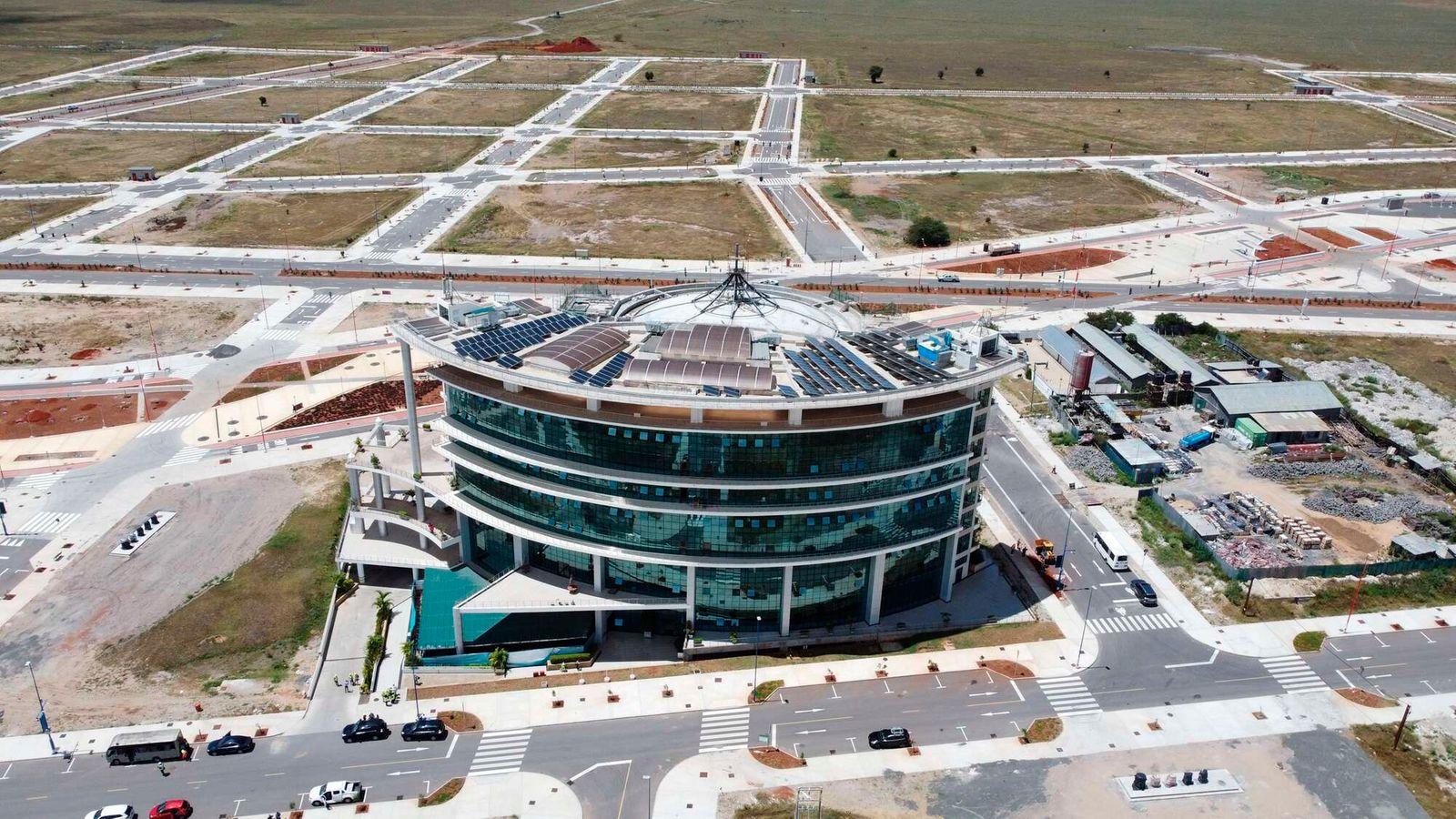
Konza Technopolis Gets Major KRA Approval To Operationalise Special Economic Zone
Kenya’s ambition to establish a world-class technology and innovation hub has received a significant boost after the Kenya Revenue Authority (KRA) officially designated Konza Technopolis as a Customs Area and allocated it a customs code.
The development marks an important milestone in the government’s efforts to make Konza Technopolis fully operational as a Special Economic Zone (SEZ), strengthening its potential to attract local and international investors.
The designation is expected to simplify customs procedures, facilitate the movement of goods and create a more favourable operating environment for businesses seeking to establish or expand their operations within the technology city.
According to KRA’s official publication, the designation was formalised through Kenya Gazette Notice No. 17446, published in the Kenya Gazette of November 5, 2026, under the East African Community Customs Management Act, 2004.
The gazettement provides an important regulatory framework for businesses that depend on importing machinery, technological equipment, production materials and other goods required for their operations.
KRA Customs Designation Marks Important Milestone for Konza
The allocation of a customs code addresses one of the operational requirements necessary to support commercial activities within Konza Technopolis.
Companies operating in Special Economic Zones often rely on international supply chains to access specialised equipment, industrial machinery, electronic components and raw materials.
Having an officially designated Customs Area is expected to make the handling and movement of such goods more efficient by establishing a recognised customs framework for the zone.
Technopolis Development Authority Chief Executive Officer John Paul Okwiri described the development as a significant step towards making the Special Economic Zone fully operational.
He said the designation would facilitate the movement of goods, simplify customs processes and create a more enabling environment for investors seeking to establish and expand their businesses at Konza Technopolis.
Okwiri also acknowledged the cooperation between government institutions, particularly KRA and the Special Economic Zones Authority (SEZA), in advancing the development.
The collaboration highlights the importance of regulatory coordination in creating an attractive investment destination.
Only 205 Acres Initially Designated as Customs Area
Details contained in the Kenya Gazette provide an important clarification about the scope of the approval.
The gazetted Customs Area covers 205 acres, equivalent to approximately 83 hectares, within the larger 2,023.6-hectare Konza Technopolis landholding in Machakos County.
The notice also specifies designated entry and exit points for the Customs Area, providing a formal framework for controlling the movement of goods into and out of the designated section.
The appointment was made under Section 12 of the East African Community Customs Management Act, 2004, by the Commissioner of Customs and Border Control.
This means the latest approval applies to a specifically defined portion of Konza rather than the entire planned technology city.
READ:Why the NSE’s Move to 4:00 PM Trading is a Game-Changer for Kenya’s Capital Markets
What the Approval Means for Investors and Businesses
The customs designation could improve Konza Technopolis’s attractiveness to businesses looking for a strategic location to establish manufacturing, technology and industrial operations.
Some of the potential benefits include:
-
Simplified customs procedures: Businesses can operate within an established customs framework for handling goods.
-
Improved supply chain efficiency: Companies importing machinery, equipment and production materials could benefit from more predictable customs arrangements.
-
Increased investor confidence: The development demonstrates progress in putting the regulatory structures required for commercial operations in place.
-
Support for manufacturing: Businesses involved in industrial production could find it easier to organise the movement of imported inputs and exported products.
-
Greater investment opportunities: The improved operating environment could attract companies looking to establish regional technology and manufacturing operations.
However, the customs designation should not be interpreted as an automatic grant of tax exemptions to every business operating at Konza. Investors must still meet the applicable Special Economic Zone licensing, customs and tax requirements.
Konza Technopolis and Kenya’s Technology Ambitions
Konza Technopolis is one of Kenya’s flagship development projects, designed to position the country as a leading destination for technology, innovation, research and industrial investment.
Located in Machakos County, the project forms part of the government’s broader strategy to promote a knowledge-based economy through technology-driven development and investment.
The technology city was designated a Special Economic Zone in July 2019, providing a framework for attracting businesses and investors interested in benefiting from the SEZ operating environment.
Its development is intended to support several economic activities, including:
-
Information and Communication Technology (ICT).
-
Research and development.
-
Technology innovation and digital services.
-
Manufacturing and industrial production.
-
Education and skills development.
-
Business services and investment.
The latest customs approval represents progress in establishing the regulatory and operational structures needed to support these ambitions.
READ: QuickMart IPO Sparks Foreign Rush With 122.7% Oversubscription Ahead of NSE Listing
What Happens Next for Konza Technopolis?
With the customs designation now formalised, attention will increasingly turn to how Konza Technopolis translates the regulatory milestone into actual business activity and investment.
The availability of reliable infrastructure, utilities, transport connections, skilled workers and efficient government services will remain important factors in determining how quickly companies establish operations within the zone.
For investors, the next major development to watch will be the growth of businesses operating within the designated Customs Area and the extent to which the improved customs framework supports their commercial activities.
The government will also need to maintain coordination between KRA, SEZA and the Technopolis Development Authority to ensure businesses can access the necessary regulatory and administrative support.
The success of Konza will ultimately depend on its ability to attract operating companies, generate employment, encourage technology transfer and create opportunities for Kenyan businesses.
A New Chapter for Kenya’s Silicon Savannah
The gazettement of Konza Technopolis as a Customs Area is an important step towards turning Kenya’s Silicon Savannah vision into a functioning investment and technology hub.
By addressing a key customs requirement, the government has strengthened the regulatory foundation needed to support businesses involved in manufacturing, technology development and international trade.
Although the approval alone does not guarantee an immediate increase in investment, it removes an important operational hurdle and strengthens Konza’s proposition as a destination for local and international businesses.
As Kenya continues pursuing its digital transformation and industrialisation ambitions, the progress made at Konza Technopolis could play an important role in attracting investment, creating skilled employment and supporting long-term economic growth.