Campaigners Call on Kenyan MPs to Strengthen Legal Protections for Widows
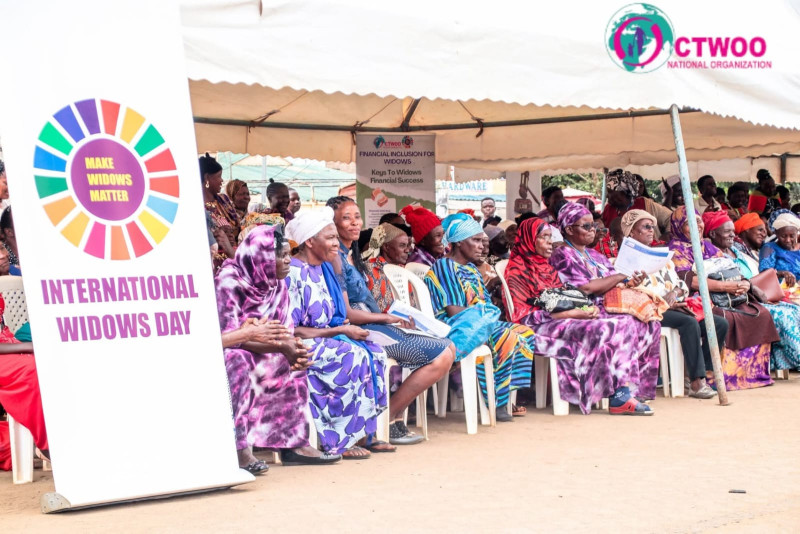
As the world marks International Widows’ Day, the Come Together Widows and Orphans Organization (CTWOO) and Equality Now are calling on Kenyan lawmakers to urgently pass the Widowed Persons Protection Bill, 2026, before the current parliamentary session concludes later this year.
The proposed legislation, submitted to Parliament on 12 May 2026 by Rarieda MP Otiende Amollo as a Private Member’s Bill, seeks to provide comprehensive legal protections for widowed persons, particularly women, who often face discrimination, property dispossession, and harmful cultural practices after losing a spouse.
Developed with input from CTWOO and Equality Now, the Bill aims to transform widowhood from a state of vulnerability into one of legally protected status, ensuring widowed persons retain their rights, dignity, security, and social standing.
Addressing widespread discrimination
According to CTWOO, widows across Kenya continue to experience serious rights violations. In May 2026 alone, the organisation recorded 139 cases involving widows, highlighting both the scale of the problem and the lack of effective state support mechanisms.
Many widows are forced from their homes, stripped of their property, denied livelihoods, and separated from their children after the death of a spouse. Such experiences often lead to homelessness, poverty, dependency, and interrupted education for children.
Widows also face intimidation, including blame for a spouse’s death, accusations of witchcraft, social isolation, and emerging threats such as cyberbullying and online inheritance fraud.
Harmful cultural practices remain a major concern. In some communities, widows are subjected to degrading mourning rituals, including forced shaving of their hair, fasting, denial of medical care, scarification, and restrictions on personal hygiene. Practices such as widow inheritance and widow cleansing can also force women into unwanted sexual relationships under the guise of cultural obligations.
CTWOO Executive Director Dr Dianah Kamande, who founded the organisation after experiencing widowhood-related discrimination herself, said the Bill distinguishes between cultural traditions that strengthen communities and practices that violate human rights.
Strengthening Kenya’s legal framework
Advocates argue that Kenya’s current legal protections for widows are fragmented and inadequate. Existing provisions are spread across succession, family, and criminal laws, while contradictions between constitutional protections and inheritance laws continue to disadvantage widows.
For example, current succession laws may strip widows of inheritance rights if they remarry, and women in polygamous marriages are often treated as part of a household unit rather than inheriting independently.
The proposed Bill would consolidate these protections into a single legal framework covering equality, inheritance rights, property ownership, child custody, healthcare, privacy, and digital safety.
It would also criminalise harmful practices such as coercive mourning rituals, widow inheritance, forced marriage, and the unlawful removal of children. Property grabbing, illegal evictions, harassment, false accusations surrounding a spouse’s death, and branding widows as witches would also become punishable offences.
Additionally, the legislation would strengthen protections against online harassment and inheritance-related fraud by recognising widowed persons’ right to digital safety.
New institutions and support systems
The Bill proposes establishing a Widowed Persons Protection Board to oversee implementation, coordinate policy reforms, investigate rights violations, promote public awareness, and improve access to legal aid and counselling services.
County governments would also be required to establish emergency shelters for widowed persons facing homelessness and allocate adequate resources for legal aid and justice centres.
Recognising the lack of reliable data on widowhood, the Bill would introduce systems for data collection, research, and reporting, formally recognising widowed persons as a distinct policy group.
Aligning with international commitments
Kenya has already ratified the Maputo Protocol, Africa’s key human rights treaty protecting widows’ rights, as well as the UN Convention on the Elimination of All Forms of Discrimination Against Women (CEDAW).
Advocates say the proposed law would finally translate these international commitments into practical, enforceable protections at the national level.
Equality Now says that if enacted, the Widowed Persons Protection Bill, 2026, would become Africa’s first dedicated law focused specifically on protecting widowed persons, potentially serving as a model for other countries facing similar challenges.
Campaigners are now urging Parliament to act before the current legislative session ends, arguing that widowhood should never result in discrimination, dispossession, or abuse, but instead be met with dignity, equality, and full legal protection.