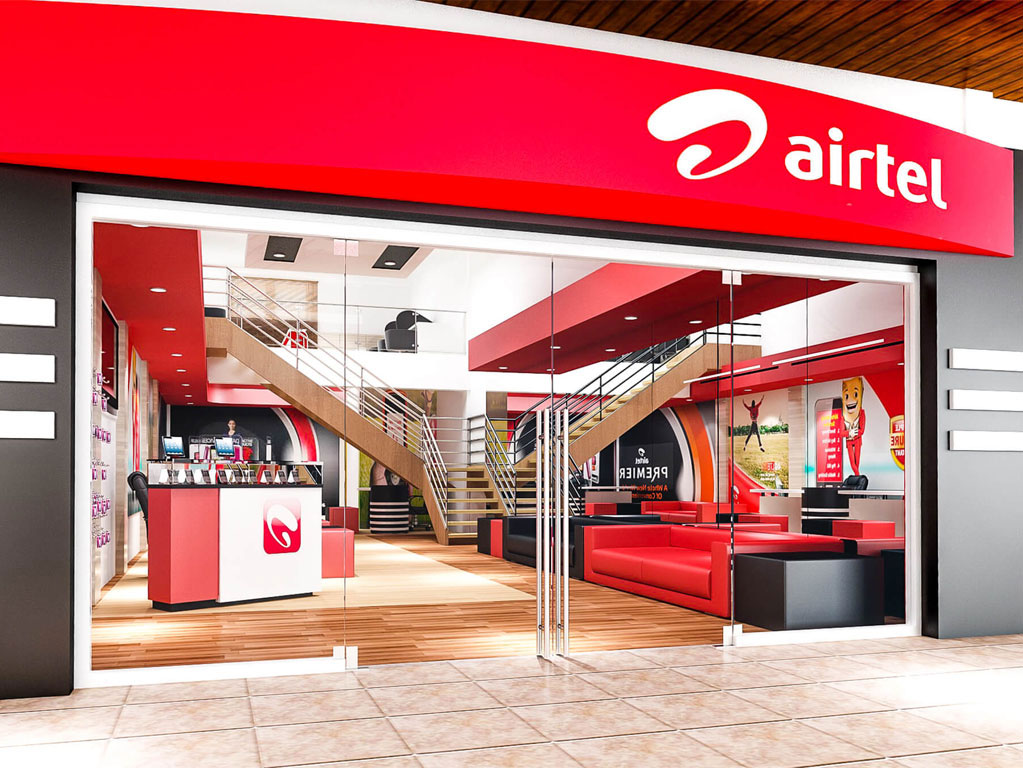
Airtel Kenya Surges Past 24 Million Subscribers, Narrows Gap with Safaricom
Airtel Kenya has marked a significant milestone in its bid to disrupt Kenya’s telecommunications market, crossing the 24 million subscriber threshold and closing the gap with long-time market leader Safaricom. According to recent data released by the Communications Authority of Kenya (CA), Airtel’s subscriber base rose sharply by over 3 million in the first quarter of 2025 — growing from 21.5 million to 24.5 million. This marks a 13.9% quarter-on-quarter increase, outpacing Safaricom’s growth during the same period.
Safaricom, while still commanding the largest market share, saw its total active SIMs rise from 46.5 million to 48.2 million — a 3.6% growth — over the same time frame. As a result, its market share dipped to 63.3%, while Airtel’s rose to 32.2%, underscoring a narrowing gap between the two telecom giants.
Aggressive Expansion Driving Growth
Airtel’s impressive growth is largely attributed to its aggressive network expansion strategy, especially in underserved counties such as Mandera, Wajir, Garissa, and others. This rollout, which aligns with the company’s license obligations, has allowed Airtel to offer more reliable coverage across the country.
Managing Director Ashish Malhotra has championed the “Na Bado Tunagrow” campaign — Swahili for “We’re still growing” — a nationwide initiative to enhance connectivity, improve customer experience, and strengthen brand visibility. The campaign has resonated particularly well in rural and peri-urban areas.
Airtel Money and Digital Services Gaining Traction
Airtel’s fintech arm, Airtel Money, has also contributed to the telco’s surge. Offering more affordable transaction fees than its rival M-Pesa, Airtel Money now commands about 9% of the mobile money market. Its increasing interoperability and aggressive pricing have driven uptake, particularly among youth and low-income users seeking cost-effective alternatives.
Market Dynamics and Consumer Behavior
The CA’s report also revealed that the total number of active SIM subscriptions in Kenya stood at 76.2 million as of March 2025, an increase from 71.4 million in December 2024 — representing 6.7% growth in just one quarter. Other telcos like Telkom Kenya, Equitel, and Jamii Telecommunications hold a marginal share of the remaining 4.5%.
Interestingly, Airtel reported a higher average on-net call duration of 2.9 minutes, compared to the industry average of 1.8 minutes. This indicates stronger user engagement and satisfaction within its network.
Future Outlook
While Safaricom still dominates across voice, data, and mobile money segments, Airtel’s momentum signals a major shift in market dynamics. Analysts predict that if Airtel sustains this trajectory, the duopoly may turn into a neck-and-neck race in the near future — something that could boost innovation, pricing, and consumer choice.
As competition intensifies, the coming months will be crucial in determining whether Airtel can maintain its growth curve and eventually challenge Safaricom’s dominance in mobile money and digital services.