Africa Confronts Global Economic Shocks with New Strategy for Resilience and Self-Reliance
The global economic landscape has grown increasingly unstable, marked by a rising frequency of major shocks worldwide. Against a backdrop of surging energy, food, and fertilizer prices driven by the ongoing conflict in the Middle East, the African Development Bank (AfDB), the African Union Commission (AUC), the United Nations Development Programme (UNDP), and the United Nations Economic Commission for Africa (UNECA) have outlined practical recommendations to help African countries respond to crises and strengthen resilience.
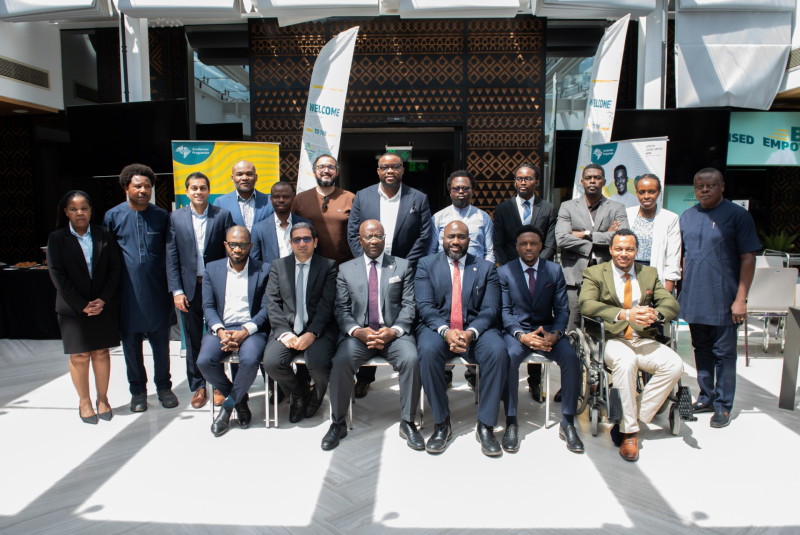
On the sidelines of the 58th Session of the Economic Commission for Africa in Tangier, leaders of the four institutions examined the conflict’s implications for African economies and highlighted key insights from an upcoming report.
According to H.E. Mahmoud Ali Youssouf, Chairperson of the African Union Commission, continued escalation of the conflict is deepening global instability, with serious consequences for energy markets, food security, and economic resilience—especially in Africa, where economic pressures are already intense.
The report notes that current global shocks are spreading faster and through more concentrated channels than previous disruptions, leaving African economies with limited time to adapt. The impacts are already being felt across households and markets, underscoring the urgency for swift and effective policy responses.
Global oil prices have risen by over 50 percent as of late March. Meanwhile, 29 African currencies have depreciated, increasing the cost of servicing external debt and importing essential commodities such as food, fuel, and fertilizer. Disruptions to Gulf energy supplies have also constrained access to key agricultural inputs like ammonia and urea during the critical March–May planting season. This threatens agricultural output and heightens the risk of food insecurity, particularly among low-income households and import-dependent economies.
A Test and a Turning Point
“Africa has been hit by too many external shocks not of its making,” said Claver Gatete, UN Under-Secretary-General and Executive Secretary of UNECA. He emphasized the need for decisive action not only to protect lives and livelihoods now but also to accelerate Africa’s long-term goals of energy security, food sovereignty, and financial self-reliance. He added that such crises reinforce the importance of Africa financing more of its own development and strengthening regional solutions to build resilience ahead of future shocks.
Ahunna Eziakonwa, UN Assistant Secretary-General and Director of UNDP’s Regional Bureau for Africa, stressed that the moment calls for strong leadership both within Africa and from its partners. She noted that with the right mix of policies, financing mechanisms, and political commitment, the continent can withstand current shocks and emerge stronger, more self-reliant, and better positioned to shape its economic future.
The policy brief outlines a coordinated approach across three key time horizons:
- Immediate actions: Measures to cushion households and stabilize the supply of fuel, food, and fertilizer, supported by governments, development partners, and the private sector.
- Medium-term strategies: Reforms to enhance energy security, expand targeted social protection, and boost regional trade under the African Continental Free Trade Area (AfCFTA).
- Long-term priorities: Structural reforms focused on strengthening domestic resource mobilization and establishing African financial safety nets, including fast-tracking the African Financing Stability Mechanism.
Sidi Ould Tah, President of the African Development Bank Group, emphasized that as global crises become more frequent, Africa’s response must shift from simply managing shocks to building lasting resilience. He called for coordinated action among African institutions and development partners to address immediate challenges while laying the groundwork for sustainable growth.
By deepening regional integration, advancing African-led financial solutions, and investing strategically in energy, food systems, and trade, the continent can transition from a position of vulnerability to one of preparedness and resilience.