Africa’s Girls Still at Risk as Child Marriage and FGM Persist Despite Legal Bans
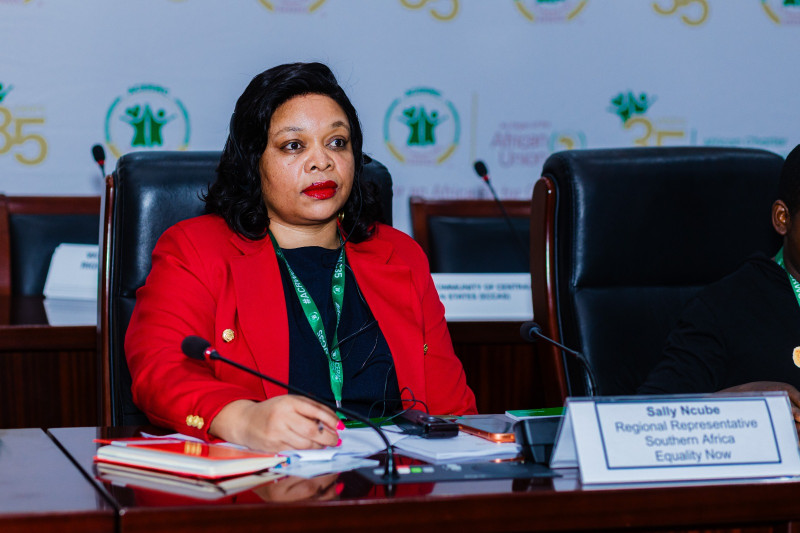
Millions of girls across Africa remain vulnerable to child marriage and female genital mutilation (FGM), even though most countries have enacted laws against these harmful practices. A new report by the African Committee of Experts on the Rights and Welfare of the Child (ACERWC), supported by Equality Now, highlights a troubling gap between legal frameworks and real-life protection.
The thematic report, which draws on case studies from countries including Chad, Ethiopia, Nigeria, Somalia, Sudan, and Zimbabwe, shows that while legal reforms and political commitments have expanded in recent years, enforcement remains inconsistent and often weak. As a result, many survivors struggle to access justice, protection, and essential support services.
According to the findings, harmful practices remain deeply rooted in social and cultural norms, and many cases go unreported due to stigma, fear of retaliation, and limited services. The situation is especially severe in rural and conflict-affected areas, where state protection systems are weakest.
The report also highlights how overlapping crises are worsening the problem. Climate-related shocks such as droughts and floods, ongoing conflicts, and economic instability are increasing vulnerability for girls. These pressures often disrupt schooling, weaken community protection systems, and deepen poverty—factors that can drive families toward early marriage as a coping strategy.
Evidence cited in the report shows that environmental stress can directly influence child marriage rates, with drought conditions in parts of East Africa linked to sharp increases in early marriages. In some cases, FGM is also carried out as a perceived preparation for marriage, sometimes affecting younger girls due to economic hardship.
Legal gaps continue to undermine progress. Fewer than half of African countries fully set the minimum marriage age at 18 without exceptions, allowing loopholes such as parental or judicial consent or reliance on customary and religious law. In several countries, laws addressing FGM are either absent, incomplete, or poorly enforced.
Even where bans exist, enforcement challenges persist. Issues such as the medicalisation of FGM, cross-border cutting, and limited access to justice in rural areas weaken protection efforts. In some contexts, survivors face further harm through criminalisation or lack of support services.
The report also warns that political instability and shrinking civic space in parts of the continent are slowing progress. In some countries, regional cooperation and accountability mechanisms have weakened, reducing pressure for reform and limiting civil society advocacy.
Despite these challenges, the report highlights examples of progress where strong leadership and community engagement align with legal reforms. Initiatives led by traditional leaders, landmark court rulings, and innovative awareness campaigns have demonstrated that change is possible when laws are properly implemented and supported by communities.
The ACERWC and Equality Now are calling on governments to close legal loopholes, fully align national laws with international child rights standards, and ensure consistent enforcement. They also stress the need for stronger data systems, better coordination, increased funding, and survivor-centred support services.
Ultimately, the report argues that laws alone are not enough. Without effective implementation, accountability, and community engagement, legal protections remain incomplete. Millions of girls across Africa continue to wait for those promises to become reality.